 how-to
How to Avoid Removalist Damage: 7 Proven Steps
Last Updated: October 23, 2026
Quick Summary
You avoid removalist damage by documenting pre-existing marks with dated photos, confirming the written quote and liability terms, and layering blankets under plastic wrap rather than wrapping furniture in plastic alone. Inspect every item before signing the delivery docket and report any issue in writing the same day.
- Photograph each large item and note existing scratches, chips and dents in writing before moving day.
- Always put a moving blanket or pad under plastic wrap, because plastic alone offers no cushioning.
- Stand plates and glasses on edge in boxes and label every fragile box on all sides.
- Lay cardboard runners or blankets on timber floors and never drag furniture across them.
- Ask for the liability cap and a certificate of currency before you book the removalist.
Table of Contents
- Before the Removalists Arrive: A Damage-Prevention Checklist
- How to Protect Furniture When Moving
- How to Pack Fragile Items for Moving
- How to Protect Timber Floors When Moving Furniture
- Safe Lifting, Trolleys and Handling on the Day
- Transit Insurance vs Removalist Liability: What Covers What
- The Removalist Damage Claim Process, Step by Step
- Frequently Asked Questions
Before the Removalists Arrive: A Damage-Prevention Checklist
Most removalist damage happens before the truck even leaves your driveway. Bad packing, loose items and unclear instructions cause more problems than the drive itself. A calm, well-documented start is the best protection you can buy.
Here's a checklist to run through the week before moving day:
- Photograph every large item from several angles
- Note existing scratches, chips and dents in writing
- Confirm the written quote and what it includes
- Read the terms and conditions, especially exclusions
- Set aside fragile items in clearly labelled boxes
- Clear pathways and doorways before the crew arrives
- Keep valuables, keys and documents with you
Document Pre-Existing Damage
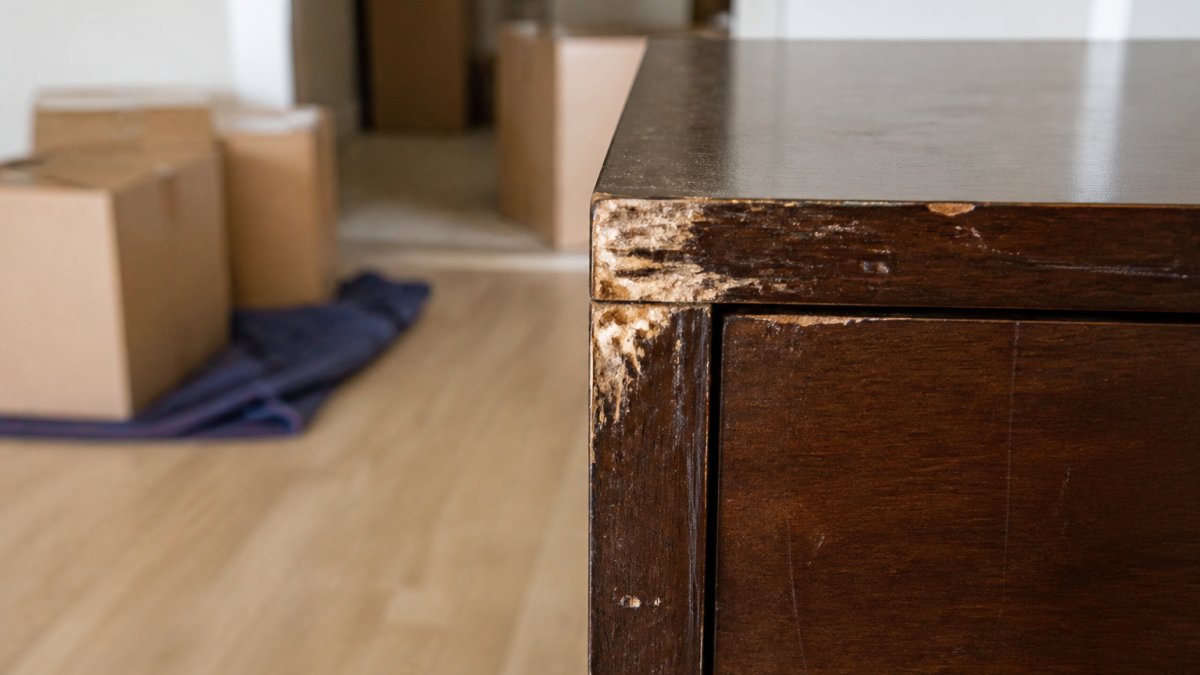
Pre-existing damage is any mark, crack or wear already on your furniture before the move starts. Record it so nobody argues about it later.
Walk through each room with your phone and take dated photos. Then write a simple list:
| Item | Existing damage | Photo taken |
|---|---|---|
| Dining table | Scratch on top left corner | Yes |
| Leather lounge | Worn patch on right arm | Yes |
| Wardrobe | Chip on bottom edge | Yes |
Send this record to your removalist before the day. It protects both sides.
Confirm the Written Quote and Terms
A written quote is your safety net. Check that it states the agreed price, the services included and any conditions.
Look for:
- Whether packing materials are included
- Any callout or stair fees
- The insurance and liability terms
- Cancellation and rescheduling rules
Ask about anything unclear before you sign. A reputable removalist will explain hidden fees upfront. If a quote seems far cheaper than others, ask what it leaves out.
How to Protect Furniture When Moving
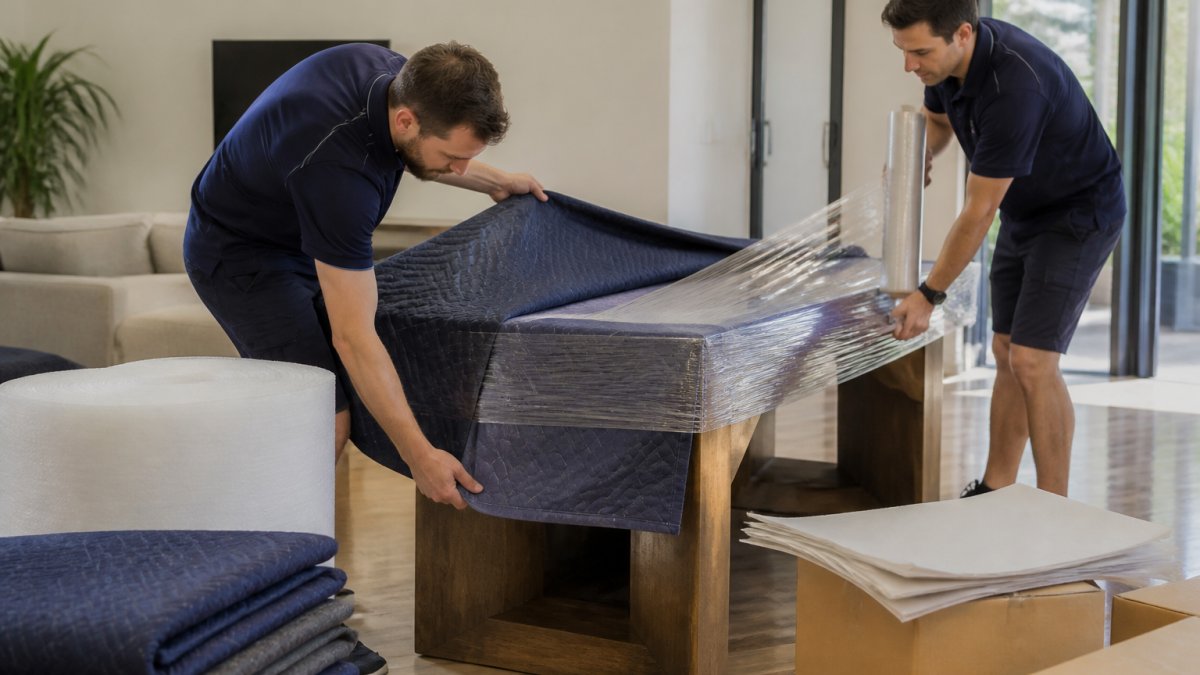
Protecting furniture comes down to layering. Each material does a different job, and using them in the right order prevents scratches, chips and water damage.
Wrapping Materials That Actually Work
Here's what each material is best for:
- Moving blankets and furniture pads: cushion large items like lounges and tables
- Foam padding: guards corners, edges and sharp angles
- Plastic wrap: holds blankets in place and keeps out dust and moisture
- Bubble wrap: protects glass, mirrors and fragile surfaces
- Old sheets: a cheap option for light scratch protection
A common mistake is wrapping furniture in plastic alone. Plastic offers no cushioning. Always put a blanket or pad underneath first.
How to Pack Fragile Items for Moving
Packing fragile items well means giving each one its own cushion of space. Boxes should never feel heavy for their size, and nothing glass should touch another glass item.
Follow these steps:
- Wrap each item in bubble wrap or paper
- Line the box base with padding
- Stand plates and glasses on edge, never flat
- Fill every gap so nothing shifts
- Label the box "FRAGILE" on all sides
- Pack heavy items at the bottom, light ones on top
Keep original boxes for TVs and electronics where you can. They fit best and offer the right protection.
For antiques and high-value pieces, tell your removalist before the day. They can plan extra padding, custom crating or specialist handling.
How to Protect Timber Floors When Moving Furniture
Timber floors scratch easily under dragged furniture and dropped boxes. Protecting them takes a few minutes and saves a costly repair bill.
Use these methods:
- Lay down moving blankets or cardboard runners along walkways
- Fit felt pads under furniture legs before lifting
- Never drag items, always lift or use a trolley
- Ask removalists to wear clean shoes or shoe covers
- Keep heavy items on protective mats during loading
If you're renting, floor damage can come out of your bond. A few dollars of cardboard and tape is worth it.
Safe Lifting, Trolleys and Handling on the Day
Safe handling protects your back and your belongings. Most injuries on moving day come from lifting heavy items with poor technique.
Teach yourself and helpers these basics:
- Bend at the knees, keep your back straight
- Hold items close to your body
- Lift with your legs, not your back
- Never twist while carrying something heavy
- Use a trolley or furniture dolly for anything awkward
Trolleys and straps make short work of fridges, washing machines and heavy boxes. Ask your removalist what equipment they bring.
Clear a path before they arrive. Move cars, pets and kids out of the way, and open gates and doors.
Transit Insurance vs Removalist Liability: What Covers What
Transit insurance and removalist liability are not the same thing, and mixing them up is a common and costly mistake.
Removalist liability is the removalist's legal responsibility for loss or damage caused by their negligence or breach of contract. It is not unlimited.
Transit insurance is a separate policy that covers your belongings while they are in transit and, depending on the policy, while in storage.
The questions that separate the two
Ask these before you book, and get the answers in writing:
- What is the liability cap? Is it a dollar amount per item, per consignment, or a rate per kilogram of gross weight? A per-kilogram cap can leave a light but valuable item badly underinsured.
- Who packed the item? Liability is often excluded or reduced for customer-packed cartons because the removalist cannot verify the packing standard.
- What is the excess? Transit policies typically carry an excess per claim. A low-value claim may not be worth lodging once the excess is applied.
- How is value assessed? Is cover on an indemnity value (depreciated) or a replacement value basis? The difference matters most for older furniture and electronics.
- What is excluded? Common exclusions include jewellery, cash, documents, plants, perishables, items of unusual value, and damage from inadequate packing.
- Is there a time limit to notify? Policies and contracts set notification windows. Miss them and a valid claim can be refused.
Proof of cover
Ask the removalist for a certificate of currency as proof of their insurance, and check the policy dates and the insured entity match the business you are contracting with.
If your goods are high value, or include items a standard policy excludes, consider separate transit cover arranged specifically for the move. Read the product disclosure statement and the policy schedule, not just the brochure.
The Removalist Damage Claim Process, Step by Step
If something does get damaged, act quickly and keep written records. A clear, calm, well-evidenced claim is far more likely to be resolved than an angry phone call. The sequence below is the one that holds up when a dispute escalates.
1. Inspect before you sign
Inspect every item at delivery, before you sign the delivery paperwork. If you cannot inspect everything on the spot, note on the paperwork that inspection is incomplete and that damage will be notified. Signing a clean delivery docket can be treated as evidence that goods arrived in good order.
2. Record the damage properly
Photograph the damage from several angles, including a wide shot showing the item in context and a close-up of the damage itself. Keep the photos time-stamped. Note the item, the nature of the damage and where it was found. If you have pre-move photos and a condition list, attach them, they are what distinguishes old damage from new.
3. Notify in writing, promptly
Report the damage in writing to the removalist as soon as possible, and within any notification window in your contract or policy. Email is better than phone because it creates a dated record. State the item, the damage, the date of delivery and what you are seeking.
4. Keep the item and the evidence
Do not repair, discard or replace the damaged item until the claim is resolved, unless the removalist or insurer agrees in writing. Keep the packaging where relevant. Keep copies of the quote, contract, inventory, photos, emails and delivery docket.
5. Get a repair estimate
For repairable damage, obtain a written repair estimate from a qualified tradesperson. For items that cannot be repaired, a replacement quote or valuation helps establish the loss. Insurers and removalists commonly ask for this before assessing a claim.
6. Follow the contract's dispute steps
Check the contract for the required dispute resolution process. Many set out a sequence, written claim, internal review, then external resolution. Follow it in order and keep records of each step.
7. Escalate if needed
Under Australian Consumer Law, removal services come with consumer guarantees. If a service is not delivered with due care and skill, you may have rights to a remedy. The ACCC guide to consumer guarantees explains what you are entitled to. If you cannot agree, your state or territory consumer affairs body can help with dispute resolution, and small claims processes are available for lower-value disputes.
Frequently Asked Questions
How can I prevent furniture from being damaged during a move?
Start with proper wrapping: moving blankets, furniture pads and plastic wrap for timber and upholstered pieces, plus foam padding on corners. Dismantle beds and large tables where possible, and bag screws and fittings with the item. Document existing scratches and marks with photos before the crew arrives. On the day, walk through with the removalist, confirm the written quote and agreed price, and check that transit insurance and public liability cover are in place before loading begins.
What should I do if my belongings are damaged during a move?
Photograph the damage immediately, before anything is moved again, and note it on the delivery paperwork or condition report. Contact the removalist in writing the same day and keep a copy. Check the contract for claim deadlines, which are often short, and lodge your removalist damage claim with photos, receipts and the written quote attached. If the provider is unresponsive, raise it through your state consumer affairs body or the dispute resolution process named in the contract.
Does transit insurance cover everything in my home?
No. Transit insurance typically covers loss or damage during transport, but policies carry exclusions: items packed by you rather than the removalist, pre-existing damage, and fragile items not declared are common ones. Public liability insurance is separate and covers injury or property damage to third parties, not your goods. Ask for a certificate of currency and read the exclusions before you sign the contract, then decide whether you need additional cover.
Should I dismantle furniture before removalists arrive?
Dismantle anything the removalist has not quoted to dismantle, such as beds, large tables and modular wardrobes. Keep screws, bolts and fittings in a labelled bag taped to the item. Empty drawers and cupboards so the frame is lighter and less likely to crack under load. Confirm in writing which items the crew will dismantle and reassemble, since this affects both the agreed price and how quickly loading goes on the day.
Moving house comes with enough stress without worrying about scratched floors and cracked furniture. At Furniture Removals, we're a family-run, fully insured team that treats your belongings like our own. We handle packing, careful loading and secure transport, so you can focus on settling in. Call us today for a quote and a move you can actually relax about.