 how-to
How do you move house with expensive antiques?
Last Updated: October 25, 2026
Quick Summary
Moving expensive antiques requires professional packing with specialist materials, detailed documentation, and proper insurance coverage. Start by creating a detailed inventory with photos and professional appraisals, then hire experienced removalists who understand how to protect valuable pieces during transport.
- Create a detailed inventory with photos and professional appraisals before moving day
- Use acid-free tissue, cotton blankets, and bubble wrap rather than newspaper or standard materials
- Declare full values in writing and arrange specialist transit cover if removalist liability is insufficient
- Hire removalists with proven experience handling antiques and valuable items
- Document condition with photos before and after the move for insurance purposes
Table of Contents
- Planning Your Move With Expensive Antiques
- Assessing and Documenting Your Valuable Items
- How to Pack Antique Furniture for Moving
- Moving Valuable Artwork Safely
- Antique Furniture Moving Checklist
- Moving Insurance for Antiques
- Choosing Professional Movers for Your Antiques
- Getting a Quote for Your Antique Move
- Frequently Asked Questions
Planning Your Move With Expensive Antiques
Moving house with expensive antiques requires a completely different approach than a standard move. Your heirloom furniture, fine art, and valuable possessions need specialist handling from the moment you start planning. The stakes are high, one mistake during transport can damage items that took decades to collect and may be irreplaceable.
Start by creating a detailed inventory of what you're moving. Write down every antique piece, artwork, and valuable item. Include descriptions, approximate age, and current condition. Take clear photos from multiple angles.
Next, decide whether you'll pack these items yourself or hire professionals. Packing expensive antiques safely requires specific techniques and materials that most homeowners don't have on hand. Bubble wrap, standard moving boxes, and newspaper won't cut it for a grand piano or a 200-year-old armoire.
Assessing and Documenting Your Valuable Items
Before your move, you need to know exactly what you own and what it's worth. This isn't just about insurance, it's about making sure nothing gets lost or damaged without you knowing the true loss.
Get your valuable items professionally appraised. An appraiser will document each piece, its condition, age, and market value. This appraisal becomes your proof of ownership and value for insurance purposes. Keep the appraisal documents somewhere safe, separate from your moving boxes.
Photograph everything in detail. Take wide shots showing the full item in your current home, then close-ups of any damage, maker's marks, or distinctive features. Include photos of the back, underside, and any labels or signatures.
Create a spreadsheet listing each item with its location in your current home, description, appraised value, and photo reference. When the removalists arrive, they'll know exactly what they're handling and why it matters.
How to Pack Antique Furniture for Moving
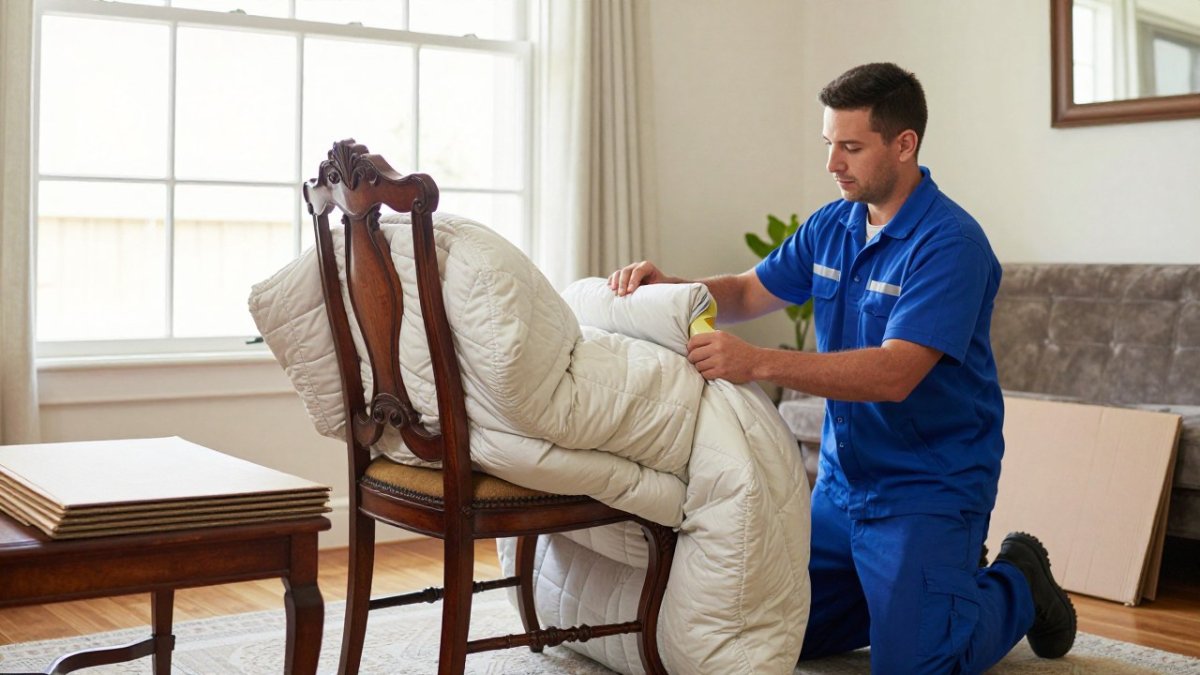
Packing antique furniture for moving is where most damage happens, and the right technique depends on the material and construction of each piece. Learn proven steps to prevent damage throughout the entire moving process.
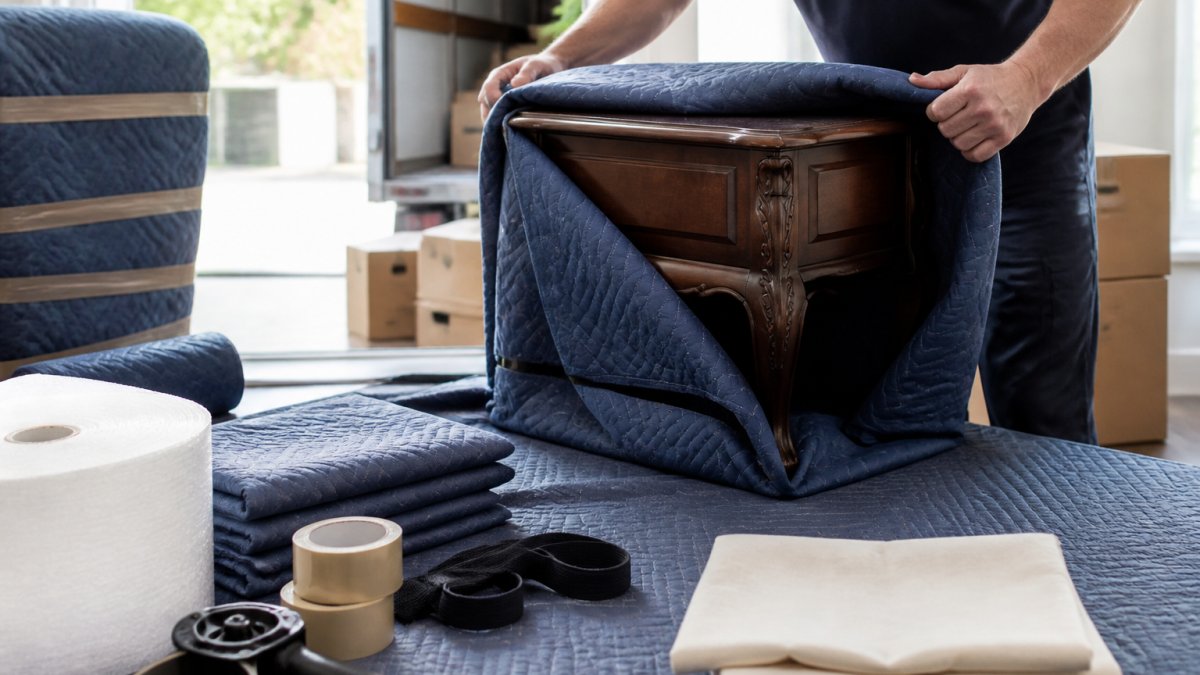
Start with the right materials. Acid-free tissue paper, cotton blankets, bubble wrap, and moving blankets are the basics.
Solid wood and veneer. Solid timber is more forgiving than veneer, but both need protection from knocks and moisture.
Gilding and gilded frames. Gilding is fragile and water-soluble on many antique pieces. Do not use damp materials or water-based cleaners before packing.
Upholstery. Cover upholstered pieces with a protective furniture pad before wrapping to keep dust and dirt off the fabric.
Clocks. Remove pendulums, weights, and any detachable parts and pack them separately, clearly labelled.
Ceramics, glass, and mirrors. Wrap each piece individually in acid-free tissue, then bubble wrap with the bubble side facing outward.
Detachable parts. Remove shelves, mirrors, doors, and hardware where possible and wrap each separately.
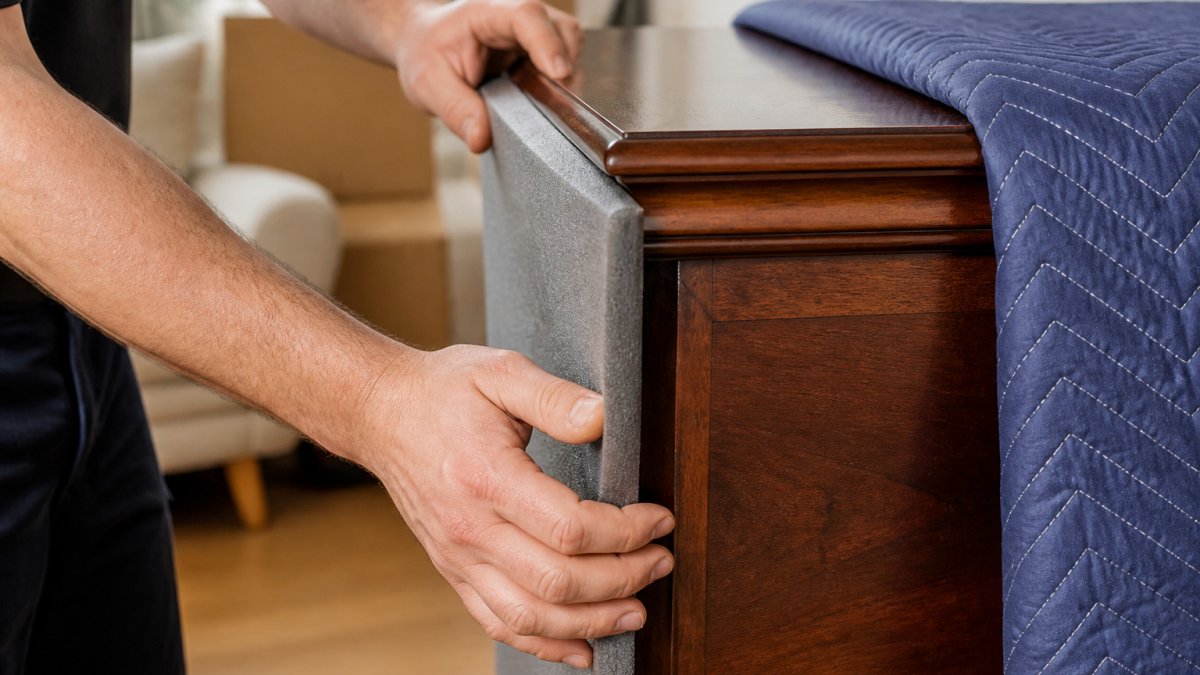
Protect legs, corners, and protruding details with extra padding. Armoire doors should be wrapped separately from the frame.
Here is what the packing process typically involves:
- Assess the piece and identify fragile areas and material type
- Gather appropriate protective materials for that material
- Wrap systematically from inside out
- Label clearly with contents and handling instructions
- Document the wrapped state with photos
How to Avoid Removalist Damage: 7 Proven Steps provides detailed techniques for protecting your furniture during the entire moving process.
Moving Valuable Artwork Safely
Artwork and sculptures require different protection than furniture. Paintings, prints, and framed pieces are vulnerable to temperature changes, humidity, and physical damage.
For framed artwork, wrap each piece individually in acid-free tissue first. Then add a layer of bubble wrap, bubble-side facing outward. Use cardboard corners to protect the frame edges. For valuable pieces, consider custom crating.
Unframed paintings should be transported flat, never upright. Wrap the front and back separately with acid-free materials. Place the painting between two pieces of rigid cardboard cut slightly larger than the piece.
Sculptures and delicate objects need custom crating. A professional removalist can build a wooden crate fitted to your specific piece, with padding inside to prevent any movement during transport.
Keep artwork away from direct sunlight during the move. Transport it in a climate-controlled vehicle, not an open truck. Temperature and humidity fluctuations can damage finishes, crack paint, and warp frames.
Antique Furniture Moving Checklist
Use this checklist to ensure nothing is overlooked when moving expensive antiques:
- Create detailed inventory with photos of all items
- Get professional appraisals completed
- Store appraisal documents separately from moving boxes
- Gather specialist packing materials (acid-free tissue, cotton blankets, bubble wrap)
- Decide on professional packing versus DIY
- Wrap all items with appropriate protection
- Label boxes and wrapped items clearly
- Document wrapped items with photos
- Arrange insurance coverage before moving day
- Confirm removalist experience with antiques
- Arrange climate-controlled transport if needed
- Plan route to avoid rough roads when possible
- Inspect items upon arrival at new home
- Keep all documentation for warranty or insurance
Moving Insurance for Antiques
Standard removalist liability cover in Australia is governed by the Australian Consumer Law and, for interstate moves, the framework administered by the Australian Competition and Consumer Commission (ACCC).
Declare the full value in writing. Under Australian insurance practice, you have a duty of disclosure when arranging cover. If you under-declare the value of an antique and it is damaged, the insurer may reduce the payout proportionally. Provide your removalist and insurer with your appraisal documents and a schedule of values for every item above a threshold you set, many practitioners use $5,000 AUD per item as a working cut-off for separate scheduling.
Understand the difference between removalist liability and specialist transit cover. Removalist liability is the cover the removalist holds for goods in their care.
Check your home and contents policy first. Many Australian home and contents policies include a limited transit cover for items moved between addresses, but the limits are usually low and exclusions apply. Common exclusions include:
- Items that are not packed by the removalist or by a professional packer
- Damage caused by inadequate packing materials
- Gradual deterioration, including warping, cracking, or fading in transit
- Items over a certain age or value that are not separately listed
- Loss or damage during storage beyond a specified period
Ask your insurer specifically whether your policy covers antiques in transit, what the per-item limit is, and whether you need to list each item separately.
Valuation methods matter. Insurers typically recognise two bases: indemnity value (replacement cost minus depreciation) and agreed value (a figure agreed in advance based on a professional appraisal). For antiques, agreed value is usually the better basis because depreciation is difficult to apply to items whose value may appreciate. Your appraiser should state the basis of valuation clearly, replacement value, fair market value, or insurance value, because each produces a different figure.
Document condition before transit. Photograph every item in its pre-move condition, including close-ups of existing damage, repairs, and maker's marks.
Know the claim process and time limits. Australian insurers and removalists typically require written notice of damage within a short window, often 7 to 14 days after delivery, and supporting documentation including photos, the condition report, and the appraisal.
Standard removalist liability cover is often insufficient for high-value antiques, so understanding your coverage options is essential.
| Coverage Type | Typical Limit | Best For |
|---|---|---|
| Standard removalist liability | Few dollars per kilogram | Basic household items |
| Specialist transit cover | Declared full value | High-value antiques in transit |
| Home and contents policy | Low per-item limits | Limited transit between addresses |
| Agreed value basis | Professional appraisal amount | Antiques that may appreciate |
Choosing Professional Movers for Your Antiques
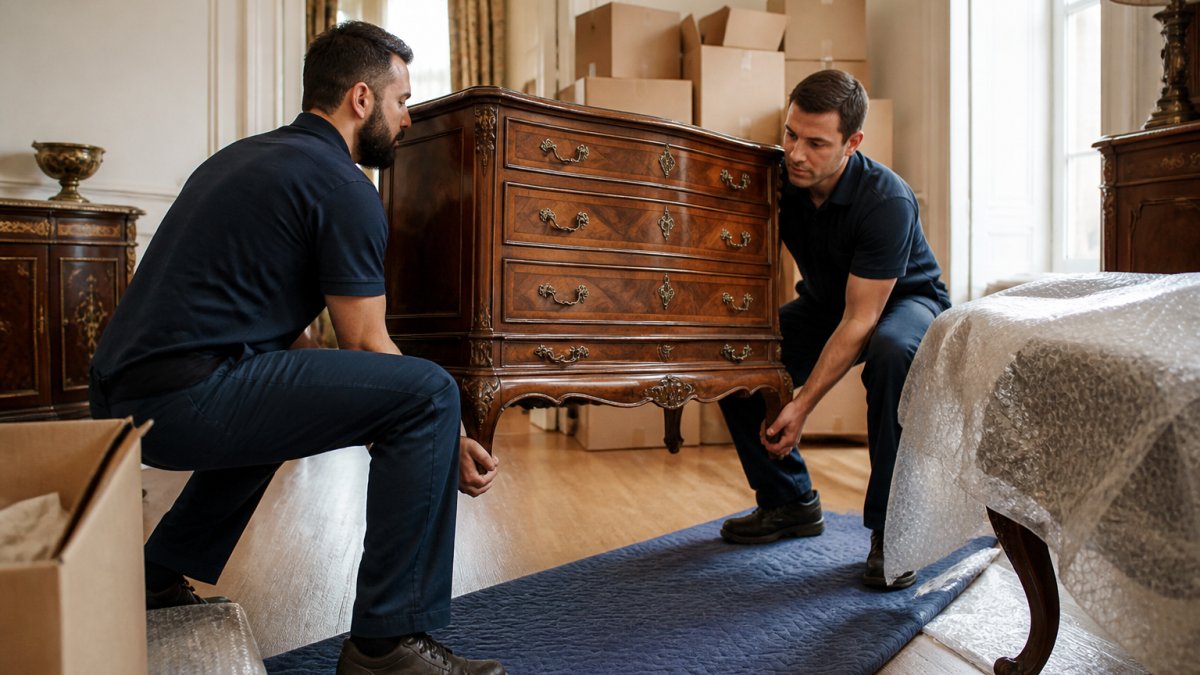
Not all removalists have experience handling expensive antiques and valuable possessions. This is where choosing the right team makes all the difference.
Look for removalists with specialist experience in moving antiques. Ask how long they've been moving valuable items. Request references from previous customers who moved similar pieces.
Confirm that the removalist is fully insured. Ask to see proof of insurance and understand what's covered. Professional movers moving valuable items should carry comprehensive coverage that protects against damage during transport and handling.
Visit the removalist's facility if possible. See how they store items and what protective materials they use.
We provide fully insured moving solutions and work carefully with each piece to ensure safe transport.
Watch out: Removalists offering prices significantly lower than others may be cutting corners on materials, insurance, or staff training.
Getting a Quote for Your Antique Move
When you're ready to get a quote, provide detailed information about what you're moving. Generic quotes won't account for the specialist handling your antiques require.
Tell the removalist exactly what items you're moving. Describe each piece, its size, weight, material, and condition. Mention if any items are particularly fragile or valuable.
Ask the removalist to visit your home before providing a quote. An on-site inspection allows them to see what they're working with and identify any challenges.
How to Compare Removalist Quotes: A 2026 Guide walks through comparing quotes and understanding what's included in each one. This helps you make an informed decision rather than simply choosing the cheapest option.
Request a detailed breakdown of costs. Ask what's included in the quote, packing materials, labour, transport, insurance, and any specialty services. Understand whether the quote covers custom crating if needed.
Get quotes from multiple removalists. Compare not just the price, but the level of experience, insurance coverage, and the removalist's approach to handling your valuable items. Contact us for a quote on your antique move, or view our services to see how we handle specialist removals.
Frequently Asked Questions
What is the safest way to move antique furniture?
Use professional movers experienced with valuable items, wrap each piece in protective blankets, and use custom crating for oversized or delicate furniture. Document condition with photos before moving, secure items in the vehicle to prevent shifting, and ensure your mover holds appropriate insurance. For heirloom pieces or fine art, specialist removalists trained in antique handling reduce damage risk significantly.
Should you insure antiques when moving house?
Yes, insurance is essential when relocating expensive antiques. Standard moving insurance often covers only basic liability. Request a full valuation of your items and confirm your mover's insurance covers the declared value. Many insurers require professional appraisal documentation. Check your home and contents policy as well, as some cover items in transit, but dedicated moving insurance for antiques provides better protection and peace of mind.
How should you pack antiques for a house move?
Use high-quality materials: acid-free paper, bubble wrap, and sturdy boxes. Wrap each item individually to prevent contact damage. For furniture, use furniture blankets and corner protectors. Disassemble where possible and keep hardware in labelled bags. Avoid stacking heavy items on delicate pieces. Use custom crates for valuable artwork, sculptures, and oversized furniture. Label boxes clearly as fragile and note the contents, which helps movers handle them with appropriate care.
Do I need a specialist mover for valuable possessions?
For high-value antiques, fine art, or heirloom furniture, specialist movers are worth the investment. They have experience with careful handling, custom crating, and climate-controlled transport. Standard removalists may lack the expertise to protect delicate finishes, veneers, or intricate details. Compare quotes from both specialist and general movers, but prioritise experience with your specific items, insurance coverage, and references from previous antique relocations.
Moving house with expensive antiques is complex, but it's manageable when you plan properly and work with professionals who understand the stakes. Start with a clear inventory and appraisal, use specialist packing techniques, and choose a removalist with proven experience handling valuable items. Your antiques deserve care that matches their value, and with the right approach, they'll arrive at your new home in the same condition they left your old one.