 how-to
How to Prevent Furniture Scratches During Your Move
Last Updated: November 2, 2026
Quick Summary
To prevent furniture scratches during a move, wrap each piece in a moving blanket or soft cover and secure it with stretch wrap, keeping tape off the finish. Fit leg pads matched to the floor, lift rather than drag heavy items, and clear the route before moving.
- Clean each surface first to remove dust and grit that can act like sandpaper.
- Use felt pads on timber, laminate and vinyl, and rubber or EVA caps on tile, concrete and slate.
- Wipe the underside of each leg and let it dry before pressing on adhesive pads.
- Lift each pad every few months, since trapped grit and flattened pads can scratch floors.
- Pad both faces of glass tabletops and mirrors with cardboard and mark them as fragile.
Table of Contents
- Why Furniture Gets Scratched in the First Place
- Furniture Protection for Moving: Wrapping and Padding Before the Truck Arrives
- Furniture Leg Pads to Prevent Scratches on Floors and Surfaces
- How to Move Furniture Without Scratching Floors
- Protecting Furniture Finishes and Materials
- Room-by-Room Prevention Checklist
- Mistakes That Cause Scratches on Moving Day
- Booking a Careful Removal Team for Your Next Move
- Frequently Asked Questions
Furniture scratches are one of the most common and most avoidable moving-day losses. A few steps before the truck arrives can save a timber table, a leather lounge, or a polished sideboard from damage that is expensive to repair. Small preparation steps can prevent furniture scratches, and this guide walks you through them in order.
Why Furniture Gets Scratched in the First Place
Most scratches happen for three simple reasons: pieces are dragged, bumped, or rested on hard surfaces. Learn the proven steps for avoiding removalist damage before your next move. Often the damage comes from the wrong tool or the wrong surface at the wrong moment.
Knowing the cause helps you stop it. Here are the usual culprits:
- Dragging heavy pieces across timber or tile floors
- Knocks against doorframes, stair rails, and walls in tight spaces
- Grit trapped under feet or padding, which acts like sandpaper
- Stacking items directly on each other without a barrier
- Rushed loading on busy moving day
Once you identify these risks, the fix becomes clearer. Each step below targets one or more of them.
Furniture Protection for Moving: Wrapping and Padding Before the Truck Arrives
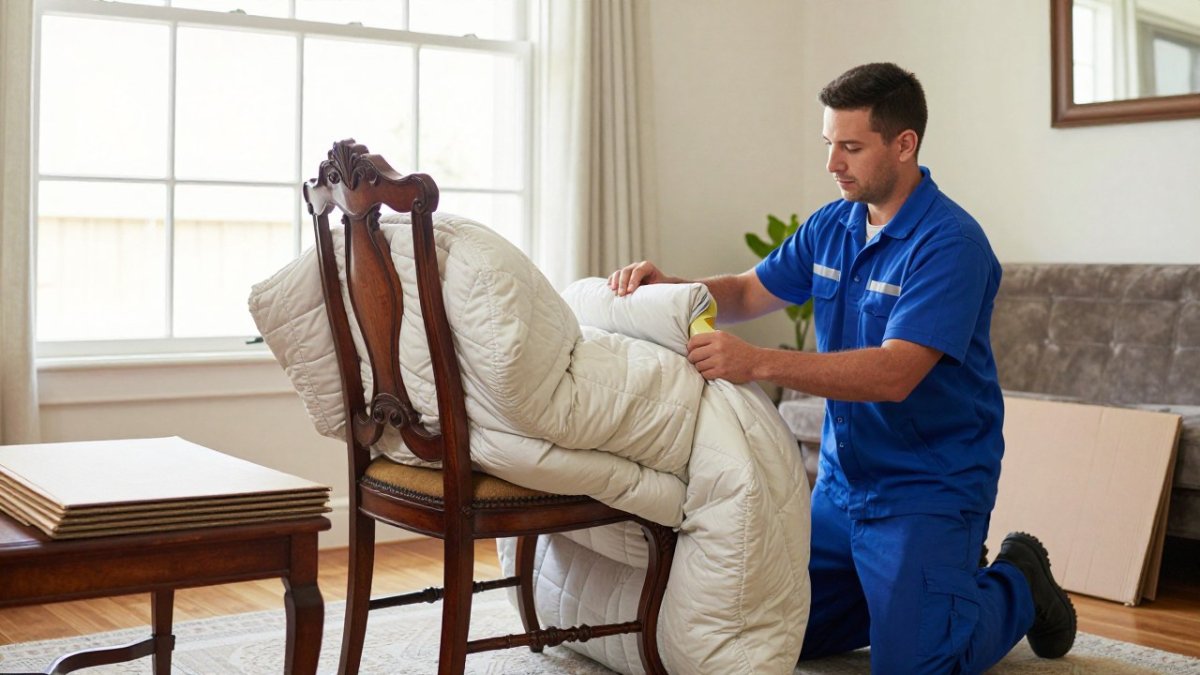
Protection starts before anything is lifted. Wrap each piece in a moving blanket or a clean, soft cover, and secure it with stretch wrap. Keep tape off the finish itself, since some adhesives can lift paint or varnish.
Work through this sequence:
- Clean each surface to remove dust and grit first
- Place a soft cover or blanket over the piece
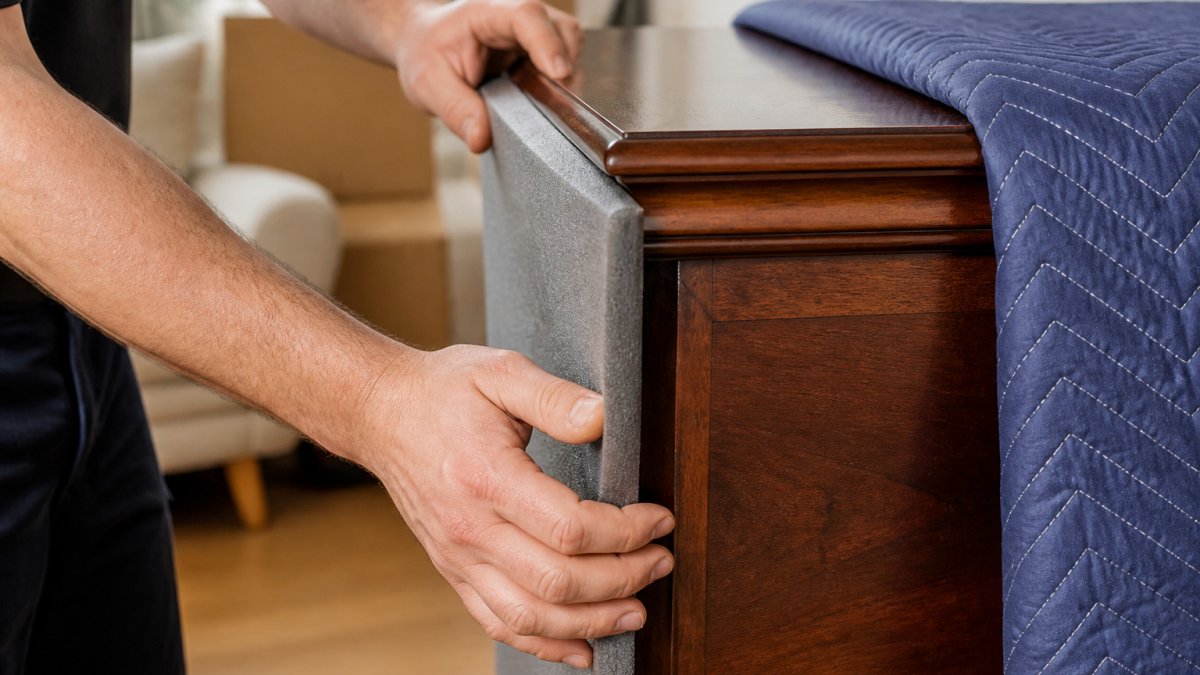
- Add corner guards to projecting edges and legs
- Secure everything with stretch wrap, not tape directly on the finish
- Label pieces so the crew knows which need extra care
Glass tabletops and mirrors need extra attention. Add cardboard sheets on both faces and mark them clearly as fragile.
Furniture Leg Pads to Prevent Scratches on Floors and Surfaces
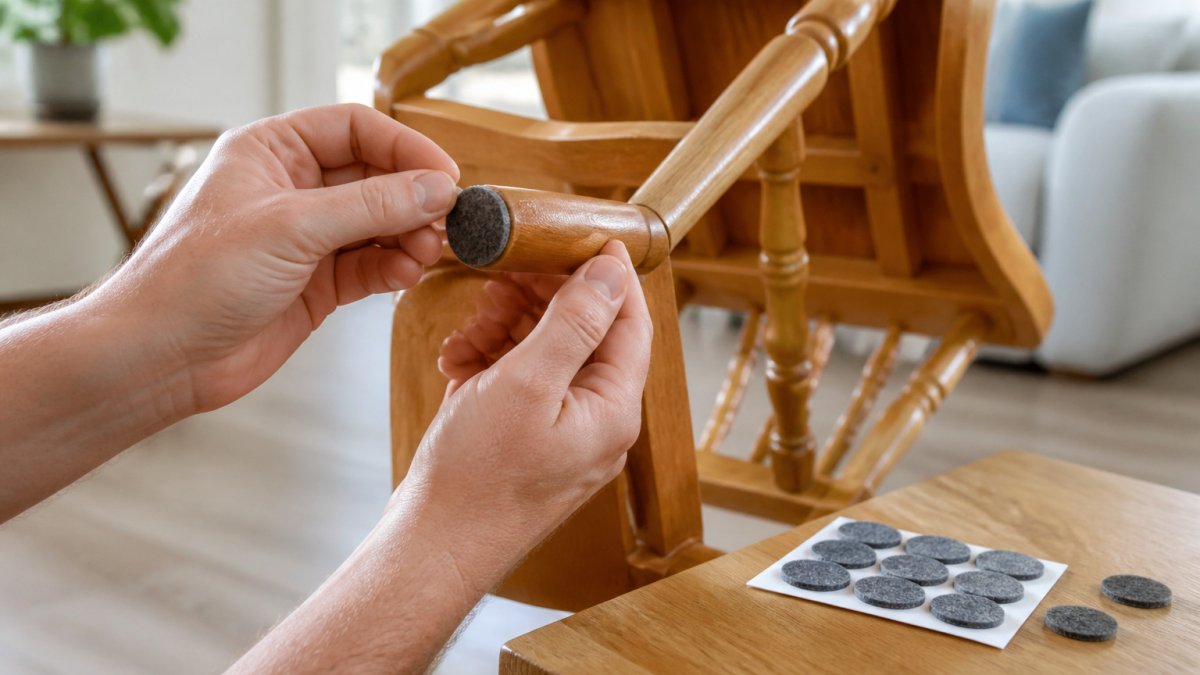
Leg pads are a simple way to protect both the floor and the furniture. A felt pad under a chair leg stops the leg scoring a timber floor when someone shifts their weight; a rubber cap stops a metal leg skidding on tile. The trick is matching the pad to the surface and fitting it so it stays put.
Match the pad to the floor
- Felt pads suit timber, laminate, and vinyl plank. They glide, so they protect against scuffing, but they wear faster under heavy pieces.
- Soft rubber or EVA caps suit tile, polished concrete, and slate. They grip rather than glide, which stops the piece sliding but can leave marks on soft timber if used there.
- Combination pads (felt base with a rubber grip top) suit chairs that are both pushed in and sat on.
- Heavy-duty nylon glides suit large items that are moved often, such as a sofa or a sideboard, but check they are rated for the weight.
Size and fit matter more than brand
The pad should be slightly smaller than the leg footprint so it does not curl at the edges. A pad that overhangs catches on rugs and peels off. For tapered legs, use a cup-style cap rather than a flat adhesive pad. For square legs, a square pad holds better than a round one.
Prepare the surface before sticking
Adhesive pads fail for one reason: the leg was dusty or oily. Wipe the underside with a cloth dampened with methylated spirits and let it dry fully.
Watch out: Grit trapped under a pad acts like sandpaper. Lift each pad every few months, wipe the leg and the pad, and replace any pad that has flattened, hardened, or lost its grip.
Avoid adhesive residue
If a pad must come off, warm it gently with a hair dryer and peel slowly. Do not use a scraper on veneer or laminate, it will lift the surface.
Pads on furniture surfaces, not just floors
When you rest a piece on a hard surface, a tabletop, a shelf, or a stack in the truck, put a felt or cork pad under the feet. This stops the leg scratching the surface below and stops the surface scratching the leg. Cork is good for heavy pieces because it compresses without marking. Read how to move expensive antiques safely.
Fit pads before the move, not after. Once a scratch is made, no pad will undo it.
How to Move Furniture Without Scratching Floors
Moving furniture safely is largely about lifting, not sliding. Where you must slide, use a protective layer between the piece and the floor.
Follow these steps for each heavy item:
- Clear the path of loose objects and trip hazards
- Lift rather than drag, using two or more people for large pieces
- Place a rug or sheet of cardboard under the legs if you must slide
- Turn corners slowly and check clearances at doorways
- Set the piece down onto padded legs, never straight onto bare flooring
Mind the stairs and narrow hallways most of all. These are where knocks and gouges happen fastest.
Protecting Furniture Finishes and Materials
A method that suits a solid timber dining table can ruin a glass top or a leather lounge. The right approach depends on the finish, not just the material, so treat each piece on its own terms.
Solid timber and veneer
Timber scratches when grit is dragged across it or when a hard object rests on it. Wrap in a soft moving blanket, and keep metal fittings, handles, hinges, castors, from pressing into the surface. Veneer is thinner than solid timber and lifts at the edges, so pad corners and never tape directly onto veneer; use stretch wrap instead.
Laminate and vinyl
Laminate resists scratches better than veneer but chips at edges. Pad the corners and avoid sliding heavy items across it. Do not use abrasive cleaners or scouring pads, they dull the surface permanently. A damp cloth with a mild detergent is enough.
Glass
Glass scratches from grit and from contact with metal. Pad both faces with cardboard or a soft blanket, and move it upright in a stable frame rather than flat, where it can flex. Never let glass rest directly on a hard floor or on another glass surface. For cleaning, use a non-ammonia glass cleaner and a clean microfibre cloth; grit on the cloth is the usual cause of fine scratches.
Leather and upholstery
Leather scratches from rough fabric, buckles, and pet claws. Cover with a breathable cotton or purpose-made leather cover rather than plastic, which traps moisture and can cause mould. Keep leather away from direct sun and heat during storage. Upholstery should be covered with a breathable fabric; plastic covers trap dust and moisture and can leave marks on delicate weaves.
Delicate and antique finishes
French polish, wax finishes, and hand-painted pieces mark easily. Wrap these more gently, tell your removalist which pieces are delicate before the day, and avoid any tape or adhesive on the finish.
Watch out: Some spray polishes and silicone-based products can soften or stain certain finishes. Test any cleaner on a hidden area first, and never spray directly onto the surface, apply to the cloth.
A note on pet damage
If the scratches you are preventing come from a cat rather than a move, the fix is different: provide a sturdy scratching post, place it near the furniture being used, and redirect with treats or catnip. Persistent scratching can sometimes signal stress or a medical issue, so speak to your vet if the behaviour changes suddenly.
Room-by-Room Prevention Checklist
Going room by room keeps protection consistent. Use this list to make sure nothing gets missed:
- Living room: Pad sofa legs, wrap the coffee table, and cover the TV stand
- Dining room: Wrap the table top, pad chair legs, and protect the sideboard
- Bedroom: Wrap wardrobe edges, cover mirrors, and pad bed frame corners
- Kitchen: Protect barstools, wrap any glass cabinet doors, and pad the island
- Hallways and stairs: Add corner guards and clear the path before lifting
Tick each room off as you finish it. This also helps you spot any piece that was overlooked.
Use this checklist to track protection room by room so no piece is missed on moving day.
| Room | Protect | Method |
|---|---|---|
| Living room | Sofa legs, coffee table, TV stand | Pad legs, wrap table, cover stand |
| Dining room | Table top, chair legs, sideboard | Wrap top, pad legs, protect sideboard |
| Bedroom | Wardrobe edges, mirrors, bed frame | Wrap edges, cover mirrors, pad corners |
| Kitchen | Barstools, glass doors, island | Protect stools, wrap glass, pad island |
| Hallways and stairs | Walls and doorframes | Add corner guards, clear the path |
Mistakes That Cause Scratches on Moving Day
Even careful movers make errors when the day gets busy. These are the most common ones we see:
- Starting to load before the floors are protected
- Wrapping furniture with tape that pulls off finish
- Stacking heavy pieces on top of soft or delicate ones
- Leaving pads unchecked, so they fall off mid-move
- Moving a piece through a tight space without clearing the route first
A good rule is to slow down at the doorway. Most scratches happen when someone hurries the last few metres.
Booking a Careful Removal Team for Your Next Move
Doing the preparation yourself is only part of the job. When you are looking for one in Perth, ask about their padding and wrapping methods and how they protect floors during the carry. Compare removalist quotes side by side so you know what each price includes. Check seven quote points before you book a fully insured team.
At Furniture Removals, we are fully insured for your peace of mind. Australian Consumer Law guidance on services and damage sets out what you can expect from a service provider. If you want to move with less stress, call us today and we will talk through your furniture and your moving date. Explore the removal services we offer.
Frequently Asked Questions
Why do cats scratch furniture and carpets?
Cats scratch to mark territory, to shed the outer layers of their claws and to stretch their bodies. Scratching also leaves visual and scent markers that other cats can read. Providing a sturdy scratching post close to the furniture being targeted often redirects this behaviour. Pairing the post with treats or catnip when the cat uses it reinforces the habit. Trimming claws regularly and covering vulnerable edges with protective film can reduce damage while the new habit forms.
What should you put under furniture legs to prevent scratches?
Felt pads are the most common choice for hard floors because they grip lightly and glide without marking timber or tiles. Rubber or silicone caps suit surfaces where a firmer grip is needed, but they can leave marks if left in place for long periods. Choose pads sized to the leg diameter and check them every few months, since grit trapped underneath can cause fine scratches. Clean the floor before placing pads so no dust or sand gets trapped beneath them.
How do you move heavy furniture without scratching it?
Wrap the piece in moving blankets or bubble wrap, securing the wrap with tape that will not stick to the finish. Lift rather than drag, and use a furniture slider or a sheet of cardboard under the legs when you must slide it across a floor. Remove loose drawers and detachable parts first, and protect corners with foam. Two people working together reduce the risk of the piece bumping a wall or doorframe during the move.
How can you prevent furniture from getting scratched during a move?
Start by wrapping each piece in a protective layer, then pad corners and edges before loading. Use a sturdy, clean truck bed or a dedicated furniture blanket system so nothing rubs against rough surfaces. Keep heavier items at the base of the load and softer, padded pieces on top. Document the condition of each piece before the move so any damage can be identified early. Professional removalists who are fully insured can handle these steps consistently on moving day.