 ultimate-guide
Removalist Insurance: What It Covers and What It Doesn't
Quick Summary
Removalist insurance covers loss or damage to your belongings during a move, but only up to the cover limit and under the conditions in the policy. Cover depends on how the removalist is insured and how you value your goods, so check the policy certificate before you book.
- Check the cover limit, the excess, and whether cover is on declared value or per-kilogram basis.
- Ask whether the removalist pays repair cost, replacement value, or depreciated value.
- Cash, jewellery, documents, perishable food, pets and plants are commonly excluded.
- Items you packed yourself may be refused or paid at a reduced amount, so keep a box contents list.
- Report damage at delivery, note it on the docket, photograph it, and claim in writing promptly.
Table of Contents
- What Removalist Insurance Covers for Your Belongings
- What Transit Insurance Covers During a Move
- Moving Insurance Exclusions You Need to Know
- Coverage for Fragile, High-Value and Unusual Items
- How Declared Value and Underinsurance Affect Your Payout
- Removalist Insurance Policy Checklist: What to Compare
- How to Claim for Damaged Furniture During a Move
- Book a Quote With Furniture Removals Before Your Move
- Frequently Asked Questions
What Removalist Insurance Covers for Your Belongings
Removalist insurance covers loss or damage to your belongings while they are being moved, but only up to the limit and under the conditions set out in the policy.
Cover typically depends on how the removalist is insured, and how you value your goods. Ask for the policy certificate and check three things: the cover limit, the excess, and whether the cover is on a declared value or a per-kilogram basis.
Removalist liability for damaged or lost items
A removalist's liability is the legal responsibility it carries for goods that are broken, lost or damaged while in its care. Under the Australian Consumer Law, a business providing services must perform them with due care and skill, and goods must be fit for purpose.
Ask the removalist what it will pay if something is broken, and whether it pays a repair cost, a replacement value, or a depreciated value. These answers vary considerably between operators.
Accidental loss or damage during a move
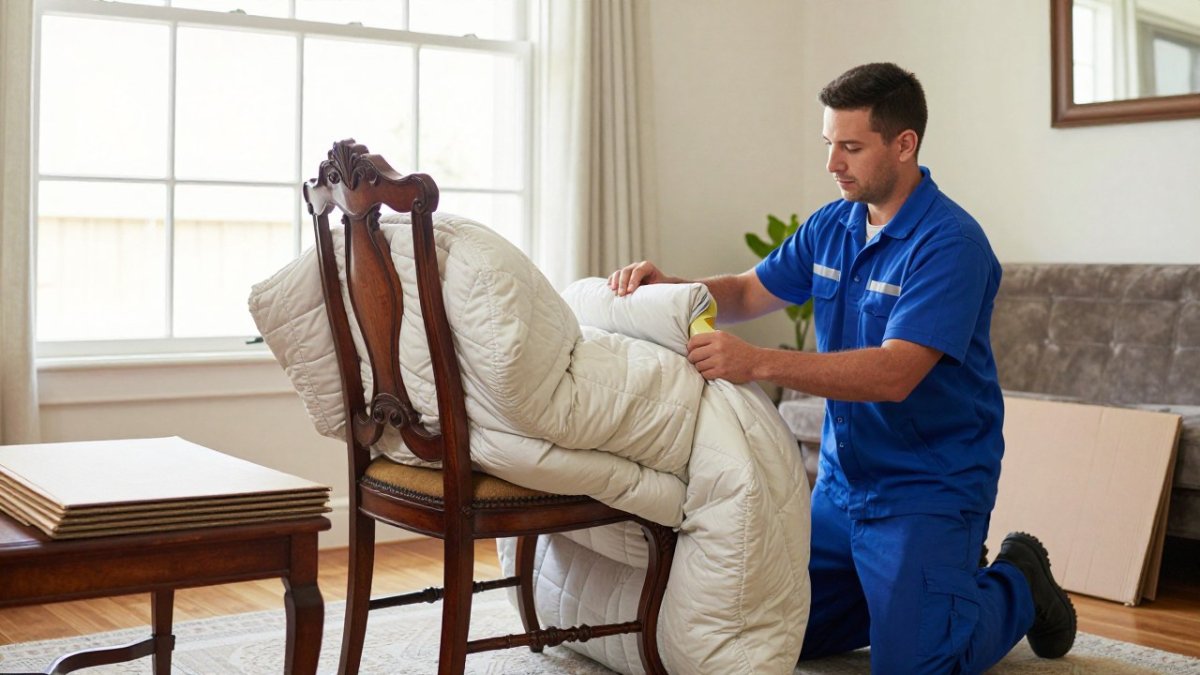
Accidental loss or damage covers events such as a dropped sideboard, a cracked mirror or a box that goes missing from the truck. It does not usually cover damage caused by inadequate packing that you arranged yourself, or by normal wear. Keep photos of your goods before they are loaded, since you will need evidence to make a claim later.
What Transit Insurance Covers During a Move
Transit insurance protects your goods while they are on the road, from pick-up to delivery. It is the part of cover that applies when the vehicle is moving, which is where most accidents happen. Whether it is included in your quote or sold as an add-on is something you must confirm in writing.
Transit cover through home and contents insurance
Some people believe their home and contents policy will cover goods in transit. In many cases it will not, or only partly. Many contents policies exclude items while they are being removed or stored away from the home, so check your policy's wording for a moving or transit clause before relying on it. If your existing policy does include transit cover, confirm the sum insured and any excess that applies.
Difference between vehicle insurance and cover for customers' belongings
A removalist's vehicle insurance generally relates to the truck, the driver and third parties involved in an accident. It does not automatically protect your furniture. Cover for customers' belongings is a separate product, and it is the one you need. Ask the removalist to show you both policies, so you can see which one applies to the goods you are moving.
Moving Insurance Exclusions You Need to Know
Every removalist policy has exclusions, and these matter as much as the cover itself. Excluded items are generally not paid for, even when the loss is clearly the removalist's fault. The exclusions are also where the gap between what customers expect and what a policy actually pays is widest, so read them before you book rather than after something breaks.
What standard removalist insurance does not cover
Standard removalist insurance commonly excludes:
- Cash, jewellery, watches, and documents, these are usually excluded outright or capped at a low sub-limit, because they are high-value, hard to verify, and easy to misplace.
- Perishable food, pets, and plants, living and perishable items are typically outside cover because loss is expected over a long move.
- Items packed by you, many policies exclude damage to goods in cartons the customer packed, or reduce the payout, on the basis that the removalist cannot verify how the box was packed or what was inside it.
Watch out: the packing exclusion is the one that catches most people. If you pack your own boxes, a removalist may decline a claim on items it did not wrap, so keep a list of what each box contains and photograph the contents before sealing it.
How exclusions interact with the basis of settlement
Exclusions do not operate in isolation. They combine with the basis of settlement to determine what you actually receive. A policy that pays depreciated value will reduce a payout even for a covered item, and a per-kilogram limit can cap a claim well below the item's replacement cost. Ask the removalist to confirm, in writing, both the exclusion list and the basis of settlement, and check whether a sub-limit applies to categories such as electronics, artwork, or jewellery.
Declaring items to avoid a refused claim
Most exclusion disputes come down to disclosure. Before moving day, give the removalist a written inventory that flags anything valuable, fragile, or unusual, and ask it to confirm in writing that each item is accepted and how it will be covered.
The main exclusions in standard removalist policies are summarised below, so you can check them against your own belongings before booking.
| Excluded item or situation | Why it is typically excluded | What to do |
|---|---|---|
| Cash, jewellery, watches, documents | High-value, hard to verify, easy to misplace | Carry these yourself or confirm a low sub-limit |
| Perishable food, pets, plants | Loss expected over a long move | Arrange separate arrangements for living or perishable items |
| Items packed by you | Removalist cannot verify packing or contents | Keep a box contents list and photograph before sealing |
| Fragile items not professionally packed | Higher breakage risk | Ask for professional packing or a lower limit |
| Undeclared high-value items | Not assessed or priced into cover | Declare antiques, pianos and art in writing before moving day |
| Normal wear, inherent vice, manufacturing faults | Damage would have happened anyway | Note existing condition with photos at pick-up |
| Consequential loss | Policy pays for the item, not knock-on effects | Budget separately for rent, storage or replacements |
| Items stored or left overnight | Cover may stop at delivery | Confirm whether a storage clause is included |
Coverage for Fragile, High-Value and Unusual Items
Fragile, high-value and unusual items are where standard cover is most likely to fall short. For guidance on moving expensive antiques safely, see our dedicated article.
Ask the removalist in writing whether it will move each item, what extra cover is available, and what it costs. Some operators offer a specialist service or a higher limit for a fee.
How Declared Value and Underinsurance Affect Your Payout
Declared value is the amount you tell the removalist your goods are worth. It usually sets the maximum it will pay for a claim.
Work out a realistic total for your household goods, including the cost of replacing each major item new. Then compare that figure with the cover limit offered by the removalist you are considering.
Removalist Insurance Policy Checklist: What to Compare
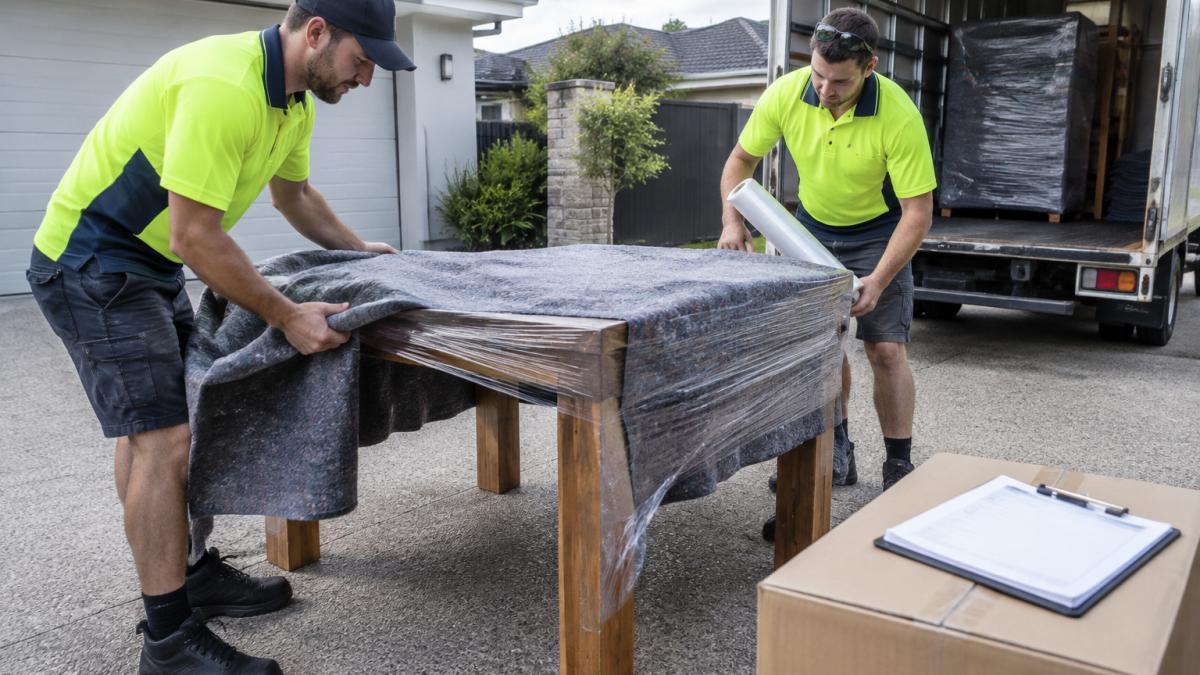
When comparing policies, check the following in writing:
- Cover limit: the maximum amount payable per claim and per item
- Basis of payment: repair, replacement or depreciated value
- Excess: the amount you pay before cover applies
- Transit cover: whether goods are covered from pick-up to delivery
- Exclusions: the full list, including fragile and high-value items
- Packing responsibility: who packed each box and how that affects a claim
- Claim deadline: how long you have to report damage after delivery
- Evidence required: photos, receipts, valuations or inventories
A written, itemised quote that addresses each of these points is far more useful than a verbal assurance. For a practical list of quote checks for fully insured removalists in Perth, see the separate guide.
How to Claim for Damaged Furniture During a Move
A claim is won or lost on evidence and timing. Proven steps to reduce and avoid removalist damage can help you prevent problems before they start. Most policies require you to report damage within a short window after delivery, and the quality of your documentation often matters more than the size of the loss. The steps below are a practical sequence you can follow whether you are claiming against the removalist's transit policy or your own insurer.
Step 1: Inspect and report before the truck leaves
Inspect each item as it is unloaded, not after the removalists have gone. If you find damage, note it on the delivery docket and ask the driver to sign and date it. Take clear photos from several angles, including a wide shot showing the item in the room and close-ups of the damage. Keep the packaging and any broken pieces, because an assessor may want to see them.
Step 2: Gather your evidence
A claim is usually assessed against a standard evidence set:
- Photos and video of the item before packing, at delivery, and after unpacking
- The inventory or packing list showing the item was in the consignment
- Receipts, valuations, or replacement quotes for the damaged item
If you do not have a receipt for an older item, a written valuation or a comparable replacement quote can help. Photographing your goods before they are loaded is the single most useful habit, because it establishes condition at the point of pick-up.
Step 3: Submit the claim in writing
Put the claim in writing to the removalist, or to the insurer if the policy is held directly, and keep a copy. State the item, the damage, the date it occurred, and the amount claimed, and attach the evidence. Before you compare options, how to compare removalist quotes side by side explains what to weigh up.
Step 4: Understand how the payout is calculated
The settlement depends on the basis of settlement in the policy. A replacement-value policy pays the cost of a new equivalent item, subject to the sum insured and any per-item limit. A depreciated-value policy pays the item's value at the time of the move, which for older furniture can be well below replacement cost. An indemnity policy may pay repair cost where repair is possible.
Step 5: Dispute the outcome if you disagree
If the removalist or insurer disputes the claim, you have options. If the insurer is a financial services provider, you can raise a complaint with the Australian Financial Complaints Authority (AFCA) after the insurer's internal dispute resolution process.
Watch out: a verbal assurance from a driver or a phone call to the office is not a claim.
Book a Quote With Furniture Removals Before Your Move
Understanding what removalist insurance covers puts you in a stronger position when you ask for a quote. At Furniture Removals, we are a family-run removal service based in Perth, and we provide fully insured moving solutions so your belongings are protected throughout the entire process. You can review what each move includes before you book.
Frequently Asked Questions
What does removalist insurance cover?
Removalist insurance generally covers loss of or damage to your belongings while they are being transported and handled by the removalist. This usually includes accidental damage during loading, transit and unloading. Cover is typically subject to a policy limit, an excess and conditions set by the insurer. Cover for theft, exclusions and the amount paid out vary by provider, so check the Product Disclosure Statement or policy wording before you book, and ask whether the cover is for the full value or a per-kilogram or per-item amount.
Are my belongings automatically insured when a removalist transports them?
Not always. Some removalists include basic goods-in-transit cover in their quote, while others only hold public liability and vehicle insurance that does not extend to your possessions. Ask the removalist for a certificate of currency and confirm in writing what it covers. If it is not included, check whether your home and contents policy extends to goods in transit, as many do with conditions attached.
What damage is usually excluded from removalist insurance?
Common exclusions include wear and tear, pre-existing damage, scratches or marks to furniture that were not caused by an accident, and damage caused by poor packing that you chose to do yourself. Items such as cash, jewellery, documents and certain high-value goods are often excluded or only covered up to a set sub-limit. Read the exclusions section closely and ask the removalist to note existing damage on the inventory before the move.
How do I make a claim for damaged items after a move?
Report the damage to the removalist in writing as soon as you discover it, ideally within the time frame stated in the policy or the booking terms. Keep photos of the damaged item and its packaging, the inventory sheet, your quote and any receipts or valuations. Provide these with your claim form. Delays or missing evidence are a common reason claims are reduced or declined, so act promptly and keep copies of everything you send.